Last Updated on May 15, 2025 by Caesar
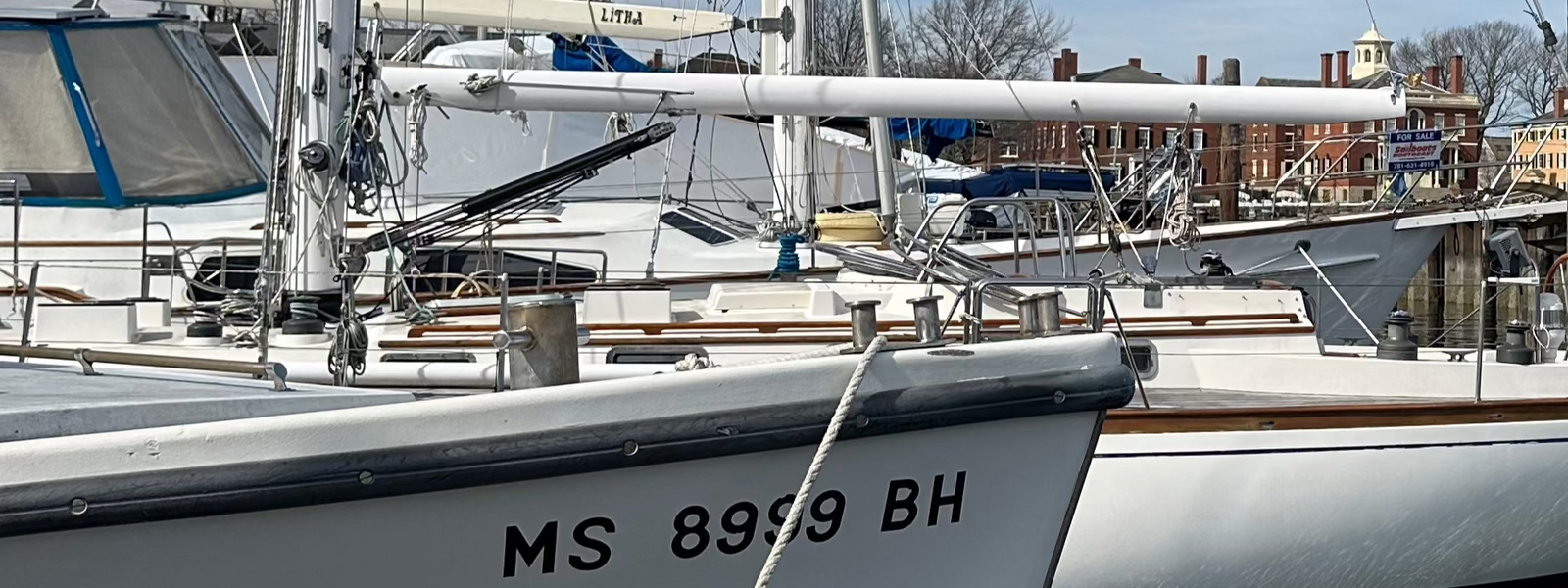
Whether you’re a weekend angler or a seasoned boat captain, custom marine decals are a great way to personalize your fishing boat and make a statement on the water. From bold graphics to subtle detailing, marine art and decals help express your identity on the waves. But not all vinyl is created equal—especially when it comes to surviving harsh marine conditions. Choosing the right vinyl for your fishing boat decals is about more than just looks; it’s about longevity, performance, and protecting your investment.
In this guide, we’ll break down the different types of vinyl used in marine environments and help you understand how to choose decals that can stand up to UV rays, saltwater, and constant motion—while still looking great season after season.
1. Marine-Grade Vinyl: Built for Tough Conditions
Vinyl used in marine applications must be highly durable, flexible, and resistant to environmental stress. Marine-grade vinyl is typically made from high-performance cast vinyl or polymeric calendared vinyl, both of which offer different advantages.
- Cast Vinyl is considered the premium choice. It’s thin, conforms well to curves, and can last up to 7-10 years. Cast vinyl is created through a casting process, which produces a more stable material that resists shrinking and cracking over time—ideal for long-term decals on boat hulls and outboard motors.
- Polymeric Calendared Vinyl is a more affordable option with a shorter lifespan (around 5-6 years). It’s thicker and a bit less conformable than cast vinyl but still suitable for flat surfaces and temporary or budget-friendly decals.
Avoid monomeric calendared vinyls—they’re not designed for outdoor or marine use and will degrade quickly in saltwater and sun.
2. UV Protection: Fighting the Fade
One of the biggest challenges for marine decals is exposure to ultraviolet (UV) rays. Prolonged sun exposure can cause colors to fade, vinyl to become brittle, and adhesives to fail. That’s why UV protection is a must.
When selecting vinyl for marine decals, look for:
- UV-resistant materials and inks
- Laminated finishes, which add an extra layer of UV protection
- Solvent-based inks for printed decals, which tend to hold color better than water-based alternatives
High-quality vinyl brands like 3M, Avery Dennison, and Oracal offer UV-rated materials specifically engineered for outdoor applications, including marine use.
3. Saltwater Resistance: Vinyl vs. the Sea
Saltwater is incredibly corrosive and can wreak havoc on both decals and adhesives if the materials aren’t properly rated. Over time, exposure to salt spray, high humidity, and constant water contact can lead to peeling, cracking, or discoloration.
Here’s what to look for in saltwater-resistant vinyl:
- Marine-rated adhesives, typically acrylic-based, which offer strong bonding even when exposed to water
- Edge sealing: Using edge sealers during installation helps prevent saltwater from infiltrating beneath the decal
- Laminated layers that protect printed graphics from direct contact with salt spray
Choosing decals specifically labeled as “marine-grade” or “saltwater safe” ensures you get the right protection.
4. Gloss vs. Matte: Choosing the Right Finish
Finish is more than just aesthetics—it affects visibility, maintenance, and how well your decal holds up over time.
- Gloss Finish: This is the most popular choice for boat decals. It enhances color vibrancy, adds a polished look, and reflects light well. However, gloss surfaces tend to show scratches and water spots more easily.
- Matte Finish: Offers a more subdued, modern look. It reduces glare and hides imperfections better but may dull the appearance of some colors. Matte vinyl can also be more susceptible to dirt buildup if not cleaned regularly.
Some manufacturers offer satin finishes, which strike a balance between gloss and matte—providing moderate shine without full reflection.
5. Installation Matters Too
Even the best vinyl won’t perform well if it’s not installed correctly. Be sure to apply decals in a clean, dry environment, following proper surface preparation steps:
- Thoroughly clean the surface with a marine-safe degreaser
- Remove wax, salt, and oils
- Avoid installation during extreme temperatures or direct sunlight
For large or intricate decals, professional installation may be worth the investment, especially if your boat has complex curves or textured surfaces.
Conclusion: Invest in Quality for Long-Term Impact
Your fishing boat’s decals do more than just decorate—they communicate personality, branding, or passion for the sport. But the water is a punishing environment, and only high-quality vinyl will stand up to the challenge.
When choosing vinyl for marine decals, always prioritize durability, UV and saltwater resistance, and finish. Opt for trusted brands, don’t skimp on lamination or adhesives, and make sure installation is done with care. A little upfront investment in quality materials will keep your boat looking sharp and seaworthy for years to come.