Last Updated on April 24, 2025 by Caesar
Introduction
In the landscape of search engine optimization, internal linking stands out as a crucial yet often underestimated component. By creating a robust internal link structure, websites enhance their on-site SEO and improve their overall page authority. This article delves into how internal linking functions as a cornerstone of effective SEO strategies and provides practical tips to leverage it for substantial improvements. Companies like Firestarter SEO recognize the significant impact of internal linking in building authoritative sites that rank well.
Internal linking involves connecting one website page to another within the same domain. While it may seem simple, the strategic placement of these links can profoundly affect traffic flow, user experience, and ultimately, search engine ranking.
Understanding Internal Linking
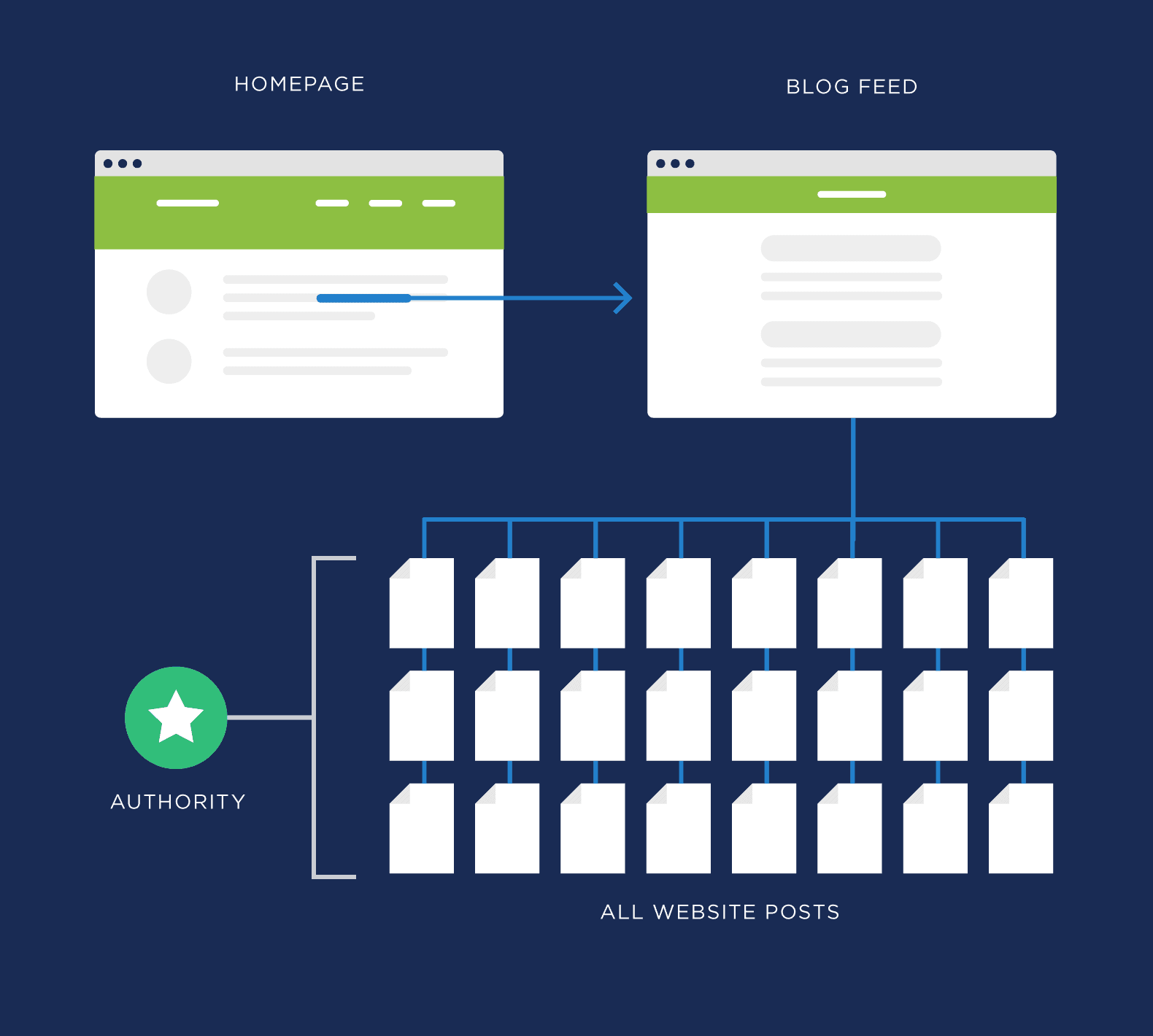
Internal links are hypertexts that direct users to different pages within the same website. These links are vital in guiding visitors to additional content, helping establish an informational hierarchy, and spreading page authority across your site. By providing clear pathways for both users and search engine crawlers, internal links help improve the overall accessibility and indexability of your web pages.
Benefits of Internal Linking on SEO
Internal linking directly influences SEO in several ways. Firstly, it enhances the usability of a website by allowing users to navigate seamlessly from one piece of content to another. This smooth navigation often leads to increased user engagement, as evidenced by longer session durations and decreased bounce rates. Secondly, through effective internal linking strategies, sites can distribute link equity among pages, improving the potential for lesser-known pages to gain visibility in search engines.
Enhancing Page Authority Through Internal Links
Page authority is a critical metric in SEO, reflecting a page’s perceived relevance and reliability. Internal links help boost this authority by creating a network of connections that point to important content. By prioritizing key pages within your internal linking strategy, you can effectively channel authority to target pages, enhancing their likelihood of ranking well on search engines.
Strategizing Your Internal Linking
A thoughtful internal linking strategy can magnify the benefits mentioned above. When planning internal links, it’s vital to ensure their relevance to the context of the content and their value to the user. Consider creating a content map that charts out the hierarchy of your website pages, enabling you to identify where links can best support the user journey.
Tools and Resources for Effective Linking
Numerous tools can assist in optimizing your internal linking strategy. SEO plugins for various content management systems can provide automated suggestions for internal links. In contrast, comprehensive SEO analysis tools can offer insights into how link equity is distributed across your site. Employing these resources can simplify maximizing the effectiveness of your internal link network.
Continuous Improvement and Link Auditing
SEO is a continuous journey; successful internal linking requires regular audits to maintain effectiveness. It is essential to Periodically analyze your current internal links and update them based on changing content strategies and site goals. This ensures that links remain functional and relevant and continue to drive the maximum SEO benefit possible. Through ingrained habits of constant evaluation and adaptation, your internal linking strategy can deliver sustainable SEO gains.