Last Updated on April 15, 2025 by Caesar
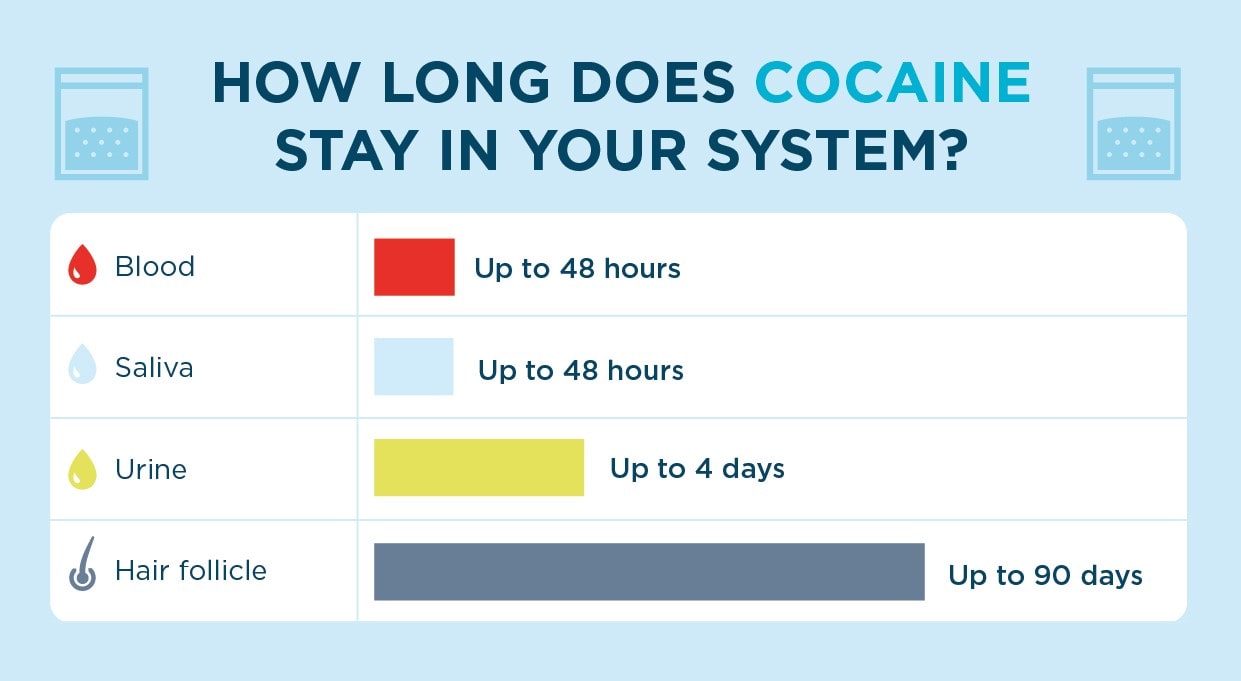
Imagine a life spiraling out of control because of a single drug. Cocaine, a powerful stimulant, can grip a person tighter than anyone thinks. It’s not just the high; it’s the aftermath. This drug messes with a person’s brain. It affects their body. But how long does it hang around?
Cocaine is a highly addictive drug derived from the coca plant. It floods the brain with dopamine, creating intense feelings of pleasure and energy. Unfortunately, this high is short-lived, leading to repeated use and potential addiction.
This article breaks down how long does cocaine stay in your urine and blood. It will also explore how to treat addiction. Detection times vary. They depend on many things. Testing methods also matter. It’s essential to have the right information. Read on to find answers.
Cocaine Detection Times: Urine Analysis
Urine tests are common. They’re used to find drug use. They work by finding cocaine byproducts in your pee. These tests are popular because they’re easy to do. They’re also cheap.
Standard Detection Window for Cocaine in Urine
Typically, cocaine can show up in urine for 2-4 days after the last use. This isn’t a hard rule, though. It depends on various factors.
Factors Affecting Cocaine Detection in Urine
How long cocaine stays in your urine depends on a few things. How often you use it matters. The dosage is important. Your metabolism plays a big part. How hydrated you are counts. Also, how well your kidneys work is vital.
- Frequency of use: Regular users store more cocaine in their bodies. It takes longer to clear out.
- Dosage: Higher doses mean more drug. It needs more time to leave your system.
- Metabolism: Fast metabolisms process drugs quicker. Slower metabolisms take longer.
- Hydration: Drinking lots of water helps your kidneys flush out waste.
- Kidney function: Healthy kidneys filter toxins better.
Cocaine Detection Times: Blood Tests
Blood tests can also detect cocaine. They’re not as common as urine tests. Blood tests have their uses. They show what’s happening right now.
Typical Detection Window for Cocaine in Blood
Cocaine usually shows up in blood for only 12-24 hours. This is a much shorter window than urine tests. Why? Because the body removes cocaine from the blood faster.
Advantages and Disadvantages of Blood Testing
Blood tests offer accuracy. However, they’re costly. They’re also intrusive. Urine tests are cheaper. They’re easier to perform. Yet, they don’t show recent use as precisely.
Situations Where Blood Tests Are Preferred
Doctors in emergency rooms may use blood tests. They need quick, exact results. Legal cases might require them. These situations demand precise detection.
Factors Influencing Cocaine Metabolism and Elimination
Your body processes cocaine in steps. How fast this happens affects detection times. Many things impact cocaine metabolism.
Liver Function and Metabolism
The liver is vital. It breaks down cocaine into other substances. These substances eventually leave your body. If your liver works poorly, cocaine sticks around longer.
Individual Metabolic Rate
Each person’s body works differently. Some have fast metabolisms. Others have slow ones. Age, genes, and health play a role. They change how quickly you process cocaine.
Body Mass and Composition
Body fat stores cocaine. If you have more body fat, cocaine can stay in your system longer. It slowly releases over time.
Hydration Levels
Water helps flush out toxins. If you’re dehydrated, your kidneys struggle. Cocaine and its byproducts remain in your system longer.
Understanding Cocaine Addiction and Treatment Options
Cocaine addiction is a serious problem. Recognizing it is the first step. Treatment can help. People can recover.
Signs and Symptoms of Cocaine Addiction
Cocaine addiction has many signs. These signs can be physical, mental, and behavioral. Spotting them early is important.
- Physical: Nosebleeds, loss of appetite, sleeping problems.
- Psychological: Anxiety, paranoia, depression.
- Behavioral: Lying, stealing, neglecting responsibilities.
Detoxification and Withdrawal Management
Detox is the process of cleaning cocaine from your system. Withdrawal can be rough. Symptoms include fatigue, depression, and intense cravings. Medical supervision during detox is often needed.
Therapy and Counseling Approaches
Therapy helps people overcome addiction. Cognitive behavioral therapy (CBT) teaches new ways of thinking. Contingency management rewards staying clean. Both are useful tools.
The role of support groups
Support groups, like Narcotics Anonymous (NA), provide community. People share experiences. They offer encouragement. These groups help with long-term recovery.
Seeking Help and Resources
Getting help is essential. Many resources exist. You don’t have to face this alone.
Finding a Qualified Addiction Specialist
Look for a doctor who knows addiction. Ask for referrals. Check credentials. Make sure they have experience with cocaine addiction.
Resources: Helplines and Online Support
SAMHSA’s National Helpline: 1-800-662-HELP (4357). This is a free, confidential resource. Online support groups offer connection and advice.
Overcoming Stigma and Seeking Early Intervention
Don’t be ashamed to ask for help. Addiction is a health problem, not a moral failing. Early treatment makes a big difference.
Conclusion
Cocaine’s detection time varies. It depends on many things, like how often someone uses the drug. Their metabolism and hydration levels also play a role. Knowing these things is vital. If you or someone you know is struggling with addiction, get help. Recovery is possible. A drug-free life can be obtained. Reach out for professional support today.